employer obligation in unjust dismissal vs wrongful dismissal
Understanding termination law is important for both employers and employees, especially when dealing with disputes around job loss. One common area of confusion is distinguishing between different types of termination claims and what responsibilities an employer has in each situation. A key question that often arises is, “What is employer obligation in Unjust dismissal vs wrongful dismissal?” because the legal expectations and remedies can differ depending on how the dismissal is categorized.
In general employment law, dismissal refers to the termination of an employee’s contract by the employer. However, not all dismissals are treated the same under legal frameworks. The obligations of an employer vary depending on whether the dismissal is considered justified, procedurally fair, or legally compliant. When examining employment disputes, the comparison of Unjust dismissal vs wrongful dismissal becomes essential because each term reflects a different legal standard and type of claim.
Wrongful dismissal typically occurs when an employer terminates an employee’s contract in breach of the terms of employment. This often involves failing to provide proper notice or compensation in lieu of notice as required by the employment contract or statutory law. In such cases, the employer’s primary obligation is to adhere strictly to the contractual terms and relevant labor laws. If they fail to do so, they may be liable to pay damages equivalent to the notice period or other contractual entitlements. The focus here is not necessarily on whether the employer had a valid reason to terminate employment, but whether the correct legal process was followed.
On the other hand, unjust dismissal is more commonly associated with situations where the fairness of the termination itself is questioned. This concept is often used in statutory employment systems where employees are protected against being dismissed without a valid reason and fair procedure. Employers have a broader obligation in these cases, which includes demonstrating that there was a fair cause for dismissal, such as misconduct, poor performance, or operational requirements, and that a fair process was followed before termination. This may include providing warnings, conducting investigations, and giving the employee an opportunity to respond.
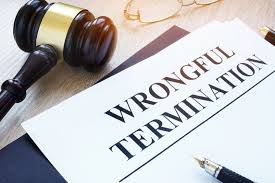
What is employer obligation in unjust dismissal vs wrongful dismissal?
The distinction in Managerial exemption federal law becomes clearer when considering the remedies available. In wrongful dismissal cases, compensation is usually limited to financial damages related to notice periods or breach of contract. However, in unjust dismissal cases, remedies can extend further and may include reinstatement of the employee, compensation for lost wages, or penalties against the employer for procedural unfairness. This means employer obligations are more extensive in unjust dismissal scenarios because they must justify both the reason for termination and the fairness of the process used.
From a compliance perspective, employers are expected to maintain proper documentation and follow consistent disciplinary procedures. This reduces the risk of disputes and helps demonstrate fairness if a termination is later challenged. In wrongful dismissal situations, the key obligation is contractual compliance, while in unjust dismissal cases, the obligation extends to substantive and procedural fairness. Employers must ensure that decisions are not arbitrary and are supported by evidence and due process.
It is also important to note that jurisdiction plays a significant role in how these terms are applied. Some legal systems clearly distinguish between wrongful and unjust dismissal, while others may use different terminology such as unfair dismissal. Regardless of the wording, the underlying principle remains that employers must act lawfully, fairly, and consistently when terminating employment relationships.
Ultimately, understanding employer responsibilities in termination cases helps prevent legal disputes and promotes fair workplace practices. The comparison of Back pay award highlights that while both involve termination of employment, the legal obligations differ in scope and depth. Employers must therefore be careful to comply not only with contractual terms but also with broader fairness standards to avoid liability and maintain ethical employment practices.